


How Can You Pass a Remote Job Interview With Gulf Companies?
Learn how to pass a remote job interview with Gulf companies, including preparation tips, common questions, salary expectations, communication, and online interview etiquette.
Remote job interviews have become an important part of recruitment across Gulf markets. Companies in Saudi Arabia, the UAE, Qatar, Kuwait, Bahrain, and Oman increasingly use online interviews to assess candidates before moving to the next stage of hiring.
For job seekers, a remote interview may seem easier than visiting an office, but it still requires careful preparation. Your communication skills, punctuality, technical readiness, professional appearance, and understanding of the company can all influence the hiring decision.
If you are preparing for a remote job interview with a Gulf company, knowing what employers may expect can help you communicate your value with greater confidence.
What makes remote job interviews with Gulf companies different?
A remote interview evaluates more than your technical qualifications. Because the interviewer is communicating with you through a screen, your ability to communicate clearly and professionally becomes especially important.
Recruiters may pay attention to:
How clearly you answer questions.
Whether you join the interview on time.
Your familiarity with online meeting tools.
Your professional appearance and environment.
Your ability to work independently.
Your understanding of the company and its market.
Your ability to collaborate with distributed teams.
Therefore, treat an online interview like a formal interview, not like a casual video call.
How should you prepare before a remote job interview?
Start by researching three areas: the company, the position, and the technical requirements.
Review the company's website, services, products, target customers, and market presence. Then read the job description carefully and identify the qualifications that match your experience.
Prepare practical examples that demonstrate your achievements. Instead of simply saying, "I have project management experience," explain what project you managed, what challenge you faced, what action you took, and what result you achieved.
You should also review your resume before the interview. Recruiters are likely to ask questions based on your previous roles, achievements, skills, and responsibilities.
How can you create the right environment for a video interview?
Choose a quiet, clean, and professional space where you are unlikely to be interrupted. Keep your background simple and make sure your face is properly illuminated.
Before the interview, test:
Your camera.
Microphone.
Headphones.
Internet connection.
Video conferencing software.
Laptop battery or power supply.
Interview link.
It is best to join five to ten minutes early. This gives you enough time to solve technical problems before the interview begins.
What should you know about the Gulf company before the interview?
Research demonstrates that you are genuinely interested in the opportunity rather than applying randomly.
Learn about the company's business model, services, products, customers, industry, and market. If possible, understand its main competitors and recent developments.
You should also consider the specific Gulf market where the company operates. For example, preparing for an interview with a Saudi company may require a different understanding of the market than preparing for a role with a UAE-based business.
Most importantly, connect your experience to the company's needs. Think about what you can contribute during your first few months in the role.
You can also explore Jadarat to discover relevant career opportunities and stay connected with professional opportunities.
How should you answer "Tell me about yourself"?
This is usually an opportunity to give the interviewer a concise professional introduction, not your complete career history.
A useful structure is:
Explain who you are professionally.
Mention your most relevant experience.
Highlight skills related to the position.
Explain why the opportunity interests you.
For example:
"I am a digital marketing specialist with experience in SEO, website performance, and data analysis. In my previous roles, I worked on projects focused on increasing organic traffic and improving conversions. I am particularly interested in this position because of the company's focus on digital growth, and I believe my experience can support the team's objectives."
Keep the answer focused on information relevant to the position.
How should you answer common interview questions?
You may be asked:
Why do you want to work with us?
Why did you apply for this position?
What are your greatest strengths?
What is one area you are working to improve?
How do you handle pressure?
How do you organize your time while working remotely?
Why did you leave your previous job?
What are your salary expectations?
Where do you see yourself in the next few years?
Avoid memorized answers. Use specific examples whenever possible.
For strengths, explain how the skill helped you achieve a real result. For weaknesses, choose a genuine professional development area and explain what you are doing to improve it.
How can you demonstrate that you can work remotely?
If the position is fully remote, the employer may want evidence that you can remain productive without direct supervision.
Do not simply say, "I can work remotely." Explain how you organize your day, prioritize tasks, communicate with colleagues, and meet deadlines.
Mention relevant tools you have used for project management, communication, documentation, and virtual meetings. If you already have remote-work experience, provide a specific example of how you successfully managed a project or collaborated with a distributed team.
If you have never worked remotely, highlight transferable skills such as time management, accountability, independent problem-solving, and digital communication.
How should you handle time-zone differences with a Gulf employer?
Time-zone differences can matter when working remotely, particularly if you live outside the country where the company is based.
Before the interview, confirm the company's local time zone. If the interviewer asks about your availability, be transparent about your working hours and your flexibility for meetings.
Do not promise availability that you cannot maintain consistently. A clear agreement about working hours from the beginning can prevent communication problems after joining the company.
What should you wear for a remote job interview?
A video interview should be treated with the same level of professionalism as an in-person interview.
Choose clothing that fits the position and company culture. Formal or business-casual clothing is usually appropriate for professional and administrative roles, while startups and technology companies may have a more relaxed environment.
Even though you are interviewing from home, avoid overly casual clothing or an untidy appearance. Check your camera framing before the meeting so that your face and upper body are visible clearly.
Do you need to speak with a Gulf accent during the interview?
No. You do not need to imitate a Gulf accent to make a positive impression.
The priority should be clear, respectful, and professional communication. Use the language expected for the role, whether Arabic or English, and communicate naturally.
If the interviewer uses regional expressions or terminology, focus on understanding the meaning rather than trying to change your own speaking style. Confidence, clarity, and professionalism matter more than accent.
How should you answer salary expectation questions?
Salary discussions require preparation.
Before the interview, research typical compensation for your role, level of experience, industry, and target Gulf market. Salaries can differ significantly between countries and industries, so avoid relying on a generic international salary figure.
You can respond with a range rather than a single number:
"Based on my experience, the responsibilities of the position, and the market range for similar roles, I would expect a competitive package. However, I am open to discussing the overall compensation and benefits."
If the recruiter asks for a specific range, provide a realistic figure based on your research and experience.
What mistakes should you avoid during a remote interview?
Small mistakes can affect the recruiter's first impression. Avoid:
Joining late.
Failing to test your equipment.
Reading prepared answers visibly.
Interrupting the interviewer.
Giving unnecessarily long answers.
Knowing little about the company.
Speaking negatively about a previous employer.
Using unprofessional language.
Checking your phone during the interview.
Having no questions prepared for the end of the interview.
Remember that the interview is also an opportunity for you to evaluate the employer and determine whether the role suits your goals.
What questions should you ask the recruiter?
Asking thoughtful questions at the end can demonstrate genuine interest and professional awareness.
Consider asking:
What are the main priorities for this position during the first three months?
How is performance measured?
How does the team collaborate remotely?
Which tools does the team use for daily communication and project management?
What are the next steps in the hiring process?
Choose two or three questions that naturally fit the conversation instead of asking every possible question.
What are the most frequently asked questions about remote interviews with Gulf companies?
Is a remote interview different from an in-person interview?
The core evaluation is similar, but online interviews place greater emphasis on technical preparation, virtual communication, and your ability to present yourself professionally through video.
Do I need previous remote-work experience?
Not necessarily. If you have not worked remotely before, demonstrate that you can manage your time, communicate effectively, meet deadlines, and work independently.
Do I need to speak English during the interview?
It depends on the company and position. Some Gulf roles require strong English communication, while others primarily use Arabic. Review the job description and be prepared to communicate in the language used during the interview.
What should I do if my internet connection fails?
Have a backup option ready, such as mobile data or another device. If you lose connection, contact the interviewer as soon as possible, explain the issue briefly, and return to the meeting quickly.
Should I send a message after the interview?
Yes. A short and professional thank-you message can reinforce your interest in the opportunity. Thank the interviewer for their time and mention that you look forward to hearing about the next step.
How can you increase your chances of succeeding in a remote interview with a Gulf company?
Success begins before the video call starts. Research the company and position, prepare concise examples from your experience, test your technology, and think about questions related to remote collaboration, time management, and communication.
You should also keep your resume updated and consistently explore opportunities that match your professional skills. Platforms such as Jadarat can help you stay aware of relevant career opportunities and take the next step in your job search.
Most importantly, do not try to present an unrealistic version of yourself. Focus on communicating your real experience clearly and confidently while showing how your skills can contribute to the company's goals. A professional, prepared, and authentic approach can make a strong impression in any remote job interview.
Other articles you may like

Recruitment Company in Egypt: How to Choose the Right Hiring Partner
Looking for a recruitment company in Egypt? Discover professional recruitment services for sourcing, screening, and hiring qualified talent for your business.
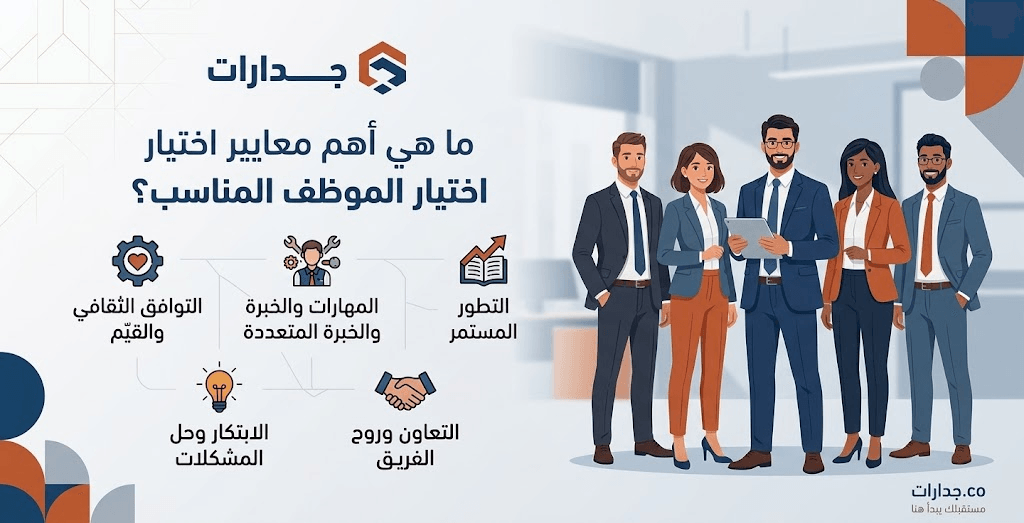
What Are the Most Important Criteria for Choosing the Right Employee?
Learn the key criteria for choosing the right employee, from experience and technical skills to soft skills, cultural fit, problem solving, and learning potential.
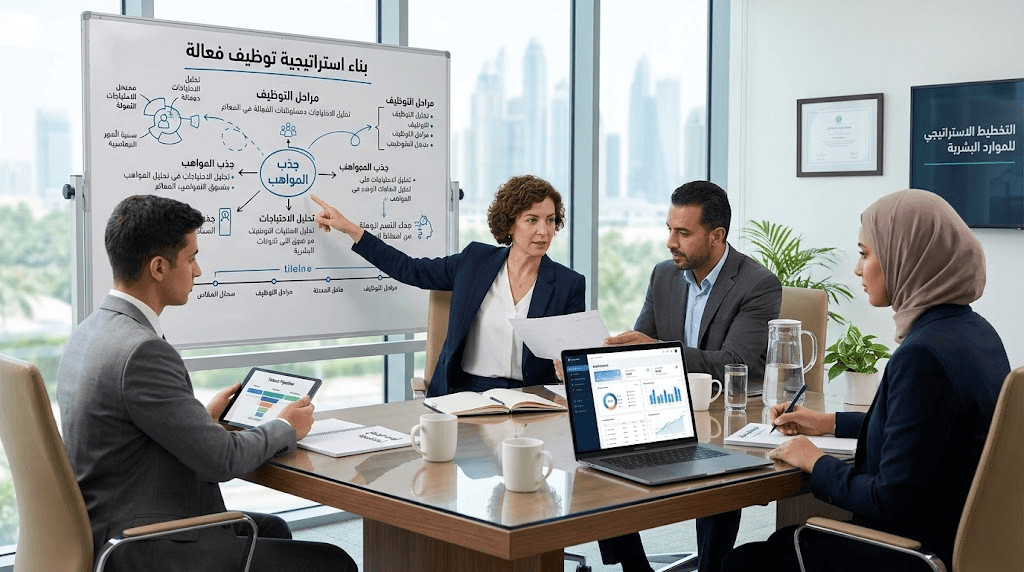
How Can You Build an Effective Recruitment Strategy for Your Company?
Learn how to build an effective recruitment strategy, from workforce planning and candidate sourcing to screening, hiring KPIs, and better recruitment decisions.